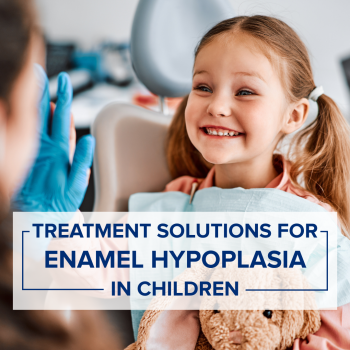
Treatment Solutions for Enamel Hypoplasia in Children
 As a parent, noticing spots, grooves, or unusual wear on your child’s teeth can spark a lot of worry. You may find yourself wondering: Why don’t their teeth look like the others? Did I miss something in their oral care? First things first, this isn’t your fault. What your child may be experiencing is a common developmental condition known as enamel hypoplasia, and the good news is that it’s treatable with the right care team by your side.
At Caring Tree Children’s Dentistry in Lincoln & Grass Valley, we specialize in nurturing smiles and helping kids (and their parents!) understand what’s happening in their mouths, and how we can fix it together.
What Is Enamel Hypoplasia?
Enamel hypoplasia is a condition where the outer layer of the tooth, the enamel, doesn’t form completely or correctly. Instead of being smooth and strong, enamel might be thin, soft, grooved, or even missing in certain areas. This makes teeth more vulnerable to cavities, discoloration, and sensitivity.
It can affect just one tooth or several, and it may be caused by a range of factors, including premature birth, genetics, malnutrition, certain childhood illnesses, or even trauma during tooth development.
Signs and Symptoms of Enamel Hypoplasia in Kids
How do you know if your child might have enamel hypoplasia? Here are some common signs to look out for:
- White, yellow, or brown spots on teeth
- Pits or grooves in the enamel surface
- Increased tooth sensitivity (especially to hot, cold, or sweet foods)
- Teeth that chip or wear down easily
- Rapid cavity development in baby or permanent teeth
If you’ve noticed any of these, don’t panic! These are manageable conditions, especially when caught early.
How We Treat Enamel Hypoplasia at Caring Tree Children’s Dentistry
At Caring Tree Children’s Dentistry, our priority is to protect your child’s teeth, ease any discomfort, and help them feel confident about their smile. Treatment depends on the severity of enamel loss and how many teeth are affected, but rest assured, we’ve got gentle, effective solutions.
Here’s a closer look at the treatments we may recommend and how each one helps:
- Fluoride Varnishes: These are quick, minimally invasive applications that help strengthen weakened enamel and protect it from decay. Especially useful for mild hypoplasia, fluoride varnish is a preventive shield that boosts enamel’s resistance to everyday acids and bacteria.
- Dental Sealants: Think of these as raincoats for teeth. Sealants are thin, protective coatings applied to the chewing surfaces of molars, especially where grooves and pits form. They block out bacteria and food particles that could trigger decay in vulnerable areas.
- Tooth-Colored Fillings or Bonding: For teeth with more visible spots or sensitivity, we may use composite bonding or fillings to restore shape, protect sensitive enamel, and improve appearance. These materials are safe for kids and blend naturally with their smile.
- Crowns for Baby Molars: If the damage is more extensive, especially in molars, we may recommend placing a stainless steel or tooth-colored crown over the tooth. This protects it from further breakdown and preserves it until it’s ready to naturally fall out.
- Silver Diamine Fluoride (SDF): This is a powerful liquid treatment that can stop decay in its tracks, without drilling! It’s especially helpful for anxious kiddos or when traditional fillings aren’t an option.
- Nutritional Guidance: Did you know the right foods can help strengthen teeth from the inside out? We’ll work with you to ensure your child’s diet includes enamel-loving nutrients like Calcium (dairy, leafy greens, almonds), Phosphorus (meat, eggs, fish), and Vitamin D (sunlight, fortified milk)
- Routine Cleanings & Monitoring: Consistency is key! By scheduling gentle cleanings and checkups, we can keep an eye on your child’s enamel, monitor any changes, and adjust their treatment plan as they grow. Early prevention = fewer dental hiccups later on.
How You Can Help Protect Your Child’s Smile at Home
Here’s what you can do between visits to support healthy enamel:
- Brush twice daily with a soft-bristled toothbrush and fluoride toothpaste.
- Avoid acidic or sugary drinks like soda and juice.
- Offer enamel-friendly foods rich in calcium, vitamins, and minerals.
- Use straws to limit direct contact between acidic drinks and teeth.
- Keep up with dental appointments for personalized care and updates.
Need help building a routine your child can stick to? We’ve got plenty of tips and tricks, just schedule your appointment at Caring Tree Children’s Dentistry today!
We can’t wait to meet your little superhero.
Disclaimer: This blog is intended for educational purposes only and does not replace professional dental advice. Always consult a qualified dentist for diagnosis and treatment recommendations.